Pakistan’s construction sector is evolving as developers seek smarter ways to build while reducing environmental impact. Green Construction has emerged as a practical solution that combines modern building techniques with environmental responsibility. Instead of relying on resource-intensive methods, sustainable projects focus on Energy Efficiency, responsible material use, and long-term performance.
As cities continue to expand, adopting Sustainable Construction practices can help address growing housing demands while supporting Environmental Sustainability. From energy-saving designs to renewable technologies, these innovations create healthier spaces for people and lower operating costs for property owners. By embracing Green Building principles today, Pakistan can build resilient communities and create a more sustainable future for generations to come.
What Is Green Construction?
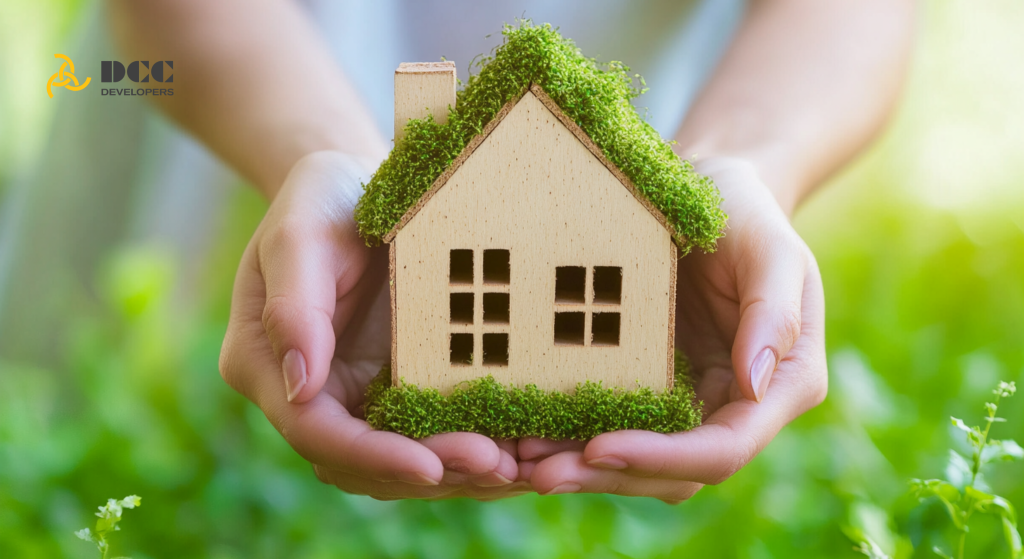
The demand for smarter buildings continues to rise as people seek solutions that lower costs and protect the planet. Green Construction refers to designing, constructing, operating, and maintaining buildings in ways that reduce environmental impact while improving efficiency throughout a structure’s lifespan. Unlike conventional approaches, this method focuses on Environmental Sustainability, Resource Efficiency, and long-term performance.
At its core, Sustainable Construction combines innovative design, responsible material selection, and advanced technologies to create buildings that work in harmony with nature. The goal is simple. Use fewer resources, generate less waste, and create healthier spaces for future generations.
Definition of Green Construction
Simply put, Green Construction involves creating structures that minimize environmental harm while maximizing efficiency and comfort. This approach considers every stage of a building’s lifecycle, from planning and material sourcing to operation and eventual renovation or demolition.
Modern Green Building projects emphasize Sustainable Materials, Energy Efficiency, Water Conservation, and reduced pollution. The result is a building that costs less to operate while supporting both environmental and human well-being.
How Green Construction Differs from Traditional Building Methods
Traditional construction often prioritizes upfront costs without fully considering long-term environmental consequences. Large amounts of energy, water, and raw materials may be consumed during both construction and operation.
In contrast, Environmentally Friendly Construction focuses on reducing Greenhouse Gas Emissions, improving Energy Performance, and lowering environmental impact throughout the building’s lifespan. Through Lifecycle Assessment, developers can make informed decisions that deliver lasting value rather than short-term savings.
| Aspect | Traditional Construction | Green Construction |
| Energy Use | High | Optimized |
| Water Use | Standard | Conserved |
| Materials | Conventional | Sustainable |
| Waste Generation | Significant | Minimized |
| Indoor Environment | Basic | Enhanced |
| Long-Term Costs | Higher | Lower |
Why Green Construction Matters in Today’s World
Around the globe, buildings account for a significant portion of energy use and carbon emissions. As concerns about Climate Change continue to grow, the construction sector has a major role to play in reducing environmental impact. This reality has made Green Construction a crucial component of modern development strategies.
Beyond environmental concerns, sustainable buildings provide economic and social advantages. Lower operating costs, healthier indoor spaces, and improved building performance make Sustainable Building practices attractive to investors, property owners, and communities alike.
Environmental Benefits
Protecting ecosystems has become a global priority. Green Construction supports Environmental Protection by reducing pollution, conserving resources, and minimizing ecological disruption. Every sustainable design decision contributes to a healthier environment.
Projects built using Sustainable Architecture principles often require fewer resources throughout their lifespan. This creates long-term benefits for communities while preserving valuable natural assets for future generations.
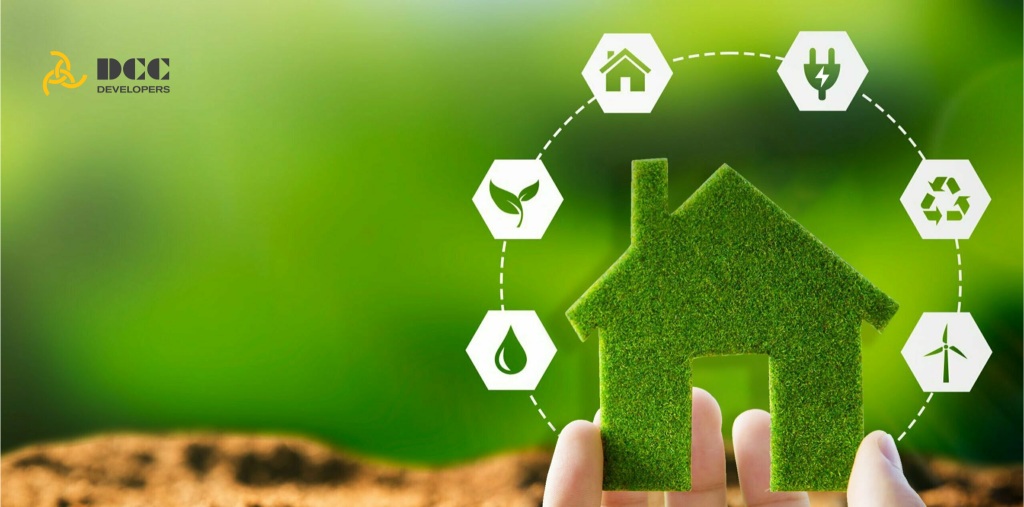
Reducing Carbon Emissions
One of the biggest advantages of Green Building is its ability to lower Carbon Emissions. Traditional buildings consume large amounts of energy for heating, cooling, lighting, and daily operations. Sustainable alternatives significantly reduce this demand.
Technologies such as Solar Panels, Solar Energy Systems, advanced insulation, and smart controls help achieve substantial reductions in Carbon Footprint. These measures support broader Climate Change Mitigation efforts around the world.
Conserving Natural Resources
Natural resources are finite. Sustainable projects focus on using materials and resources responsibly. Through Responsible Material Sourcing, developers can reduce environmental strain while maintaining high-quality construction standards.
Efficient building systems also contribute to Resource Efficiency by minimizing waste and reducing consumption. Over time, these practices support a stronger Green Economy and encourage more sustainable growth patterns.
Core Principles of Green Construction
Every successful Green Construction project follows a set of guiding principles designed to improve environmental performance while maintaining functionality and comfort. These principles create the foundation for sustainable development.
When combined effectively, these strategies help create Climate-Resilient Construction projects capable of adapting to future environmental challenges while delivering long-term value to occupants and investors.
Energy Efficiency
Among all sustainability goals, Energy Efficiency remains one of the most important. Buildings consume large amounts of electricity and fuel throughout their operational lives. Reducing this demand creates immediate environmental and financial benefits.
Design strategies such as Passive Design, improved insulation, efficient equipment, and Smart Building Technologies help optimize performance. These measures contribute to the development of Energy-Efficient Buildings and High-Performance Buildings.
Water Conservation
Freshwater resources face increasing pressure worldwide. Sustainable projects prioritize Water Conservation through efficient design and innovative technologies.
Systems such as Rainwater Harvesting, Greywater Recycling, Water-Efficient Fixtures, and Smart Irrigation Systems help reduce water consumption while supporting effective Sustainable Water Management practices.
Sustainable Material Selection
Material choices directly influence a building’s environmental impact. Sustainable projects prioritize Eco-Friendly Materials with lower embodied energy and reduced environmental footprints.
Developers increasingly select Sustainable Materials, recycled products, and locally sourced resources to support Environmental Sustainability while maintaining durability and performance.
Waste Reduction and Recycling
Construction generates significant waste. Effective Construction Waste Management strategies help reduce landfill use while improving resource utilization.
By embracing Waste Reduction, recycling initiatives, and Circular Economy principles, project teams can recover valuable materials and minimize environmental impact throughout the construction process.
Healthy Indoor Environments
People spend much of their lives indoors. Therefore, creating Healthy Buildings has become a central goal of modern Green Construction.
Features such as superior Indoor Air Quality, enhanced ventilation, low-emission products, and natural lighting contribute to improved Occupant Well-Being and healthier living environments.
Key Features of a Green Building
Successful Green Building projects integrate multiple systems and design strategies that work together to improve performance. These features help reduce operational costs while enhancing occupant comfort.
The most effective projects balance sustainability goals with functionality, creating buildings that are efficient, attractive, and adaptable to future needs.
Smart Building Design
Every sustainable project begins with thoughtful planning. Smart Building Technologies allow designers to optimize energy use, monitor performance, and improve operational efficiency.
By integrating sustainability objectives from the earliest planning stages, Architects, Engineers, and urban planners can create buildings that deliver superior environmental outcomes.
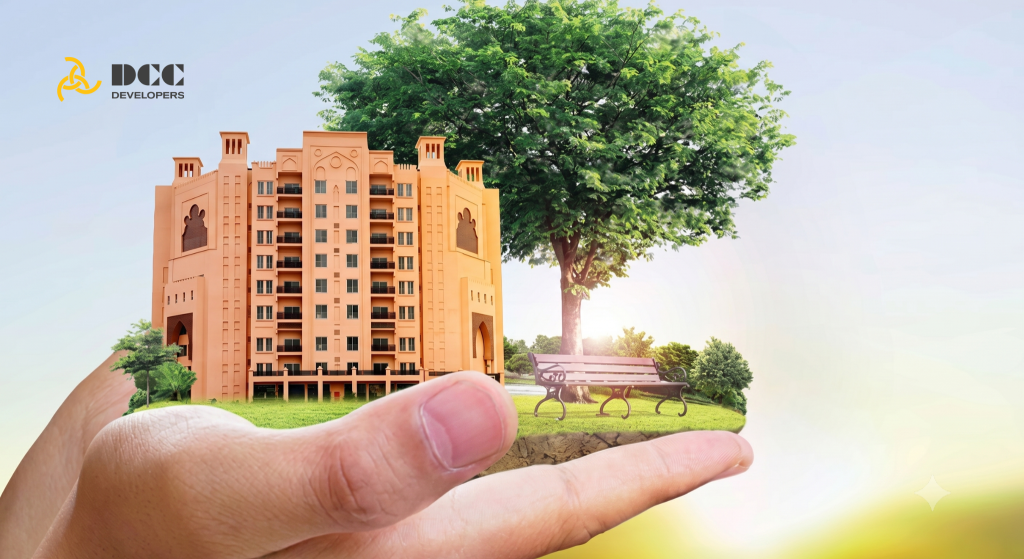
Natural Ventilation and Daylighting
Nature provides valuable resources that many conventional buildings overlook. Natural Ventilation reduces dependence on mechanical cooling systems while improving indoor comfort.
Similarly, Daylighting strategies maximize natural light penetration, reducing electricity use and creating healthier interior spaces. These features contribute directly to Sustainable Living Environments.
High-Performance Insulation
Heating and cooling often represent the largest portion of a building’s energy consumption. Advanced insulation solutions help maintain stable indoor temperatures year-round.
Features such as High-Performance Windows, Double-Glazed Windows, and optimized Building Envelope systems improve efficiency while enhancing Thermal Comfort for occupants.
Renewable Energy Integration
Renewable energy has become a cornerstone of modern Green Infrastructure. Sustainable buildings increasingly incorporate Renewable Energy systems to reduce dependence on traditional energy sources.
Technologies, including Solar Panels, Solar Water Heaters, and battery storage systems, support cleaner operations while contributing to long-term energy independence.
Sustainable Construction Materials Transforming the Industry
Materials play a major role in determining a building’s environmental footprint. As innovation accelerates, developers now have access to a growing range of sustainable alternatives that deliver both environmental and economic benefits.
The shift toward Sustainable Construction materials is helping the industry reduce emissions, improve efficiency, and support responsible resource management.
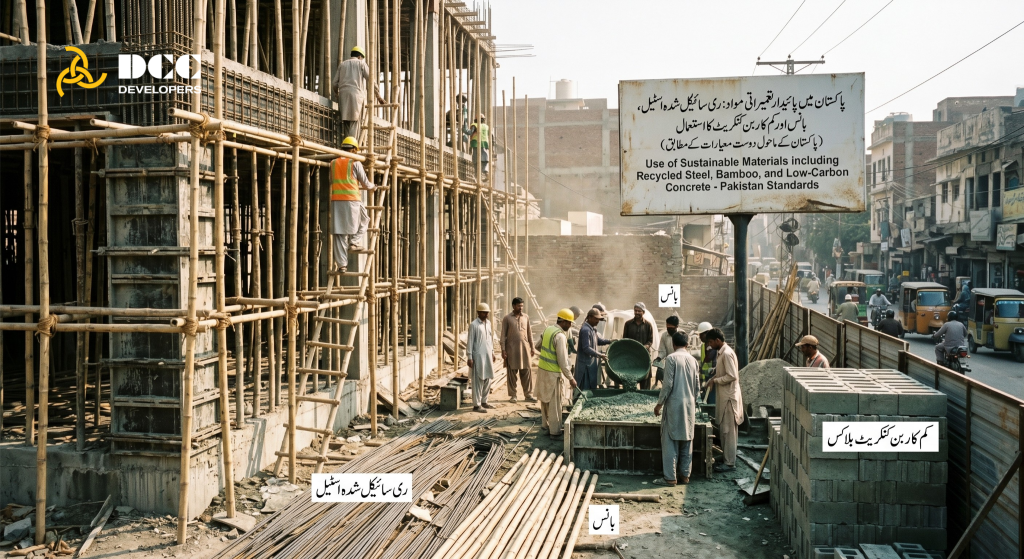
Recycled and Reclaimed Materials
Reusing existing resources reduces demand for new raw materials. Products such as Reclaimed Wood and Recycled Steel help lower environmental impact while preserving valuable natural resources.
Many developers also utilize Recycled Construction Materials to reduce waste and support Circular Economy Practices that extend material lifecycles.
Low-Carbon Concrete and Green Cement
Concrete remains one of the most widely used construction materials worldwide. However, traditional production methods contribute significantly to carbon emissions.
Innovations such as Low-Carbon Concrete, Green Cement, and Fly Ash Bricks provide environmentally responsible alternatives while maintaining structural integrity and durability.
Sustainable Wood and Bamboo
Wood remains one of the most renewable building materials when sourced responsibly. Sustainable Timber and bamboo products offer attractive, durable, and environmentally responsible construction options.
Because bamboo grows rapidly and requires fewer resources, it has emerged as a promising material for future Eco-Conscious Building projects.
Energy-Efficient Glass and Insulation Solutions
Advanced glazing technologies significantly improve building performance. Modern glass systems reduce heat transfer while maximizing daylight access.
Combined with high-quality insulation materials, these solutions support Energy Efficiency, improve occupant comfort, and reduce long-term operating expenses.
Technologies Driving Green Construction
Technology continues to reshape how sustainable buildings are designed, constructed, and operated. New digital tools and smart systems help improve performance while simplifying project management.
From renewable energy solutions to advanced design software, innovation is accelerating the adoption of Green Construction worldwide.
Solar Energy Systems
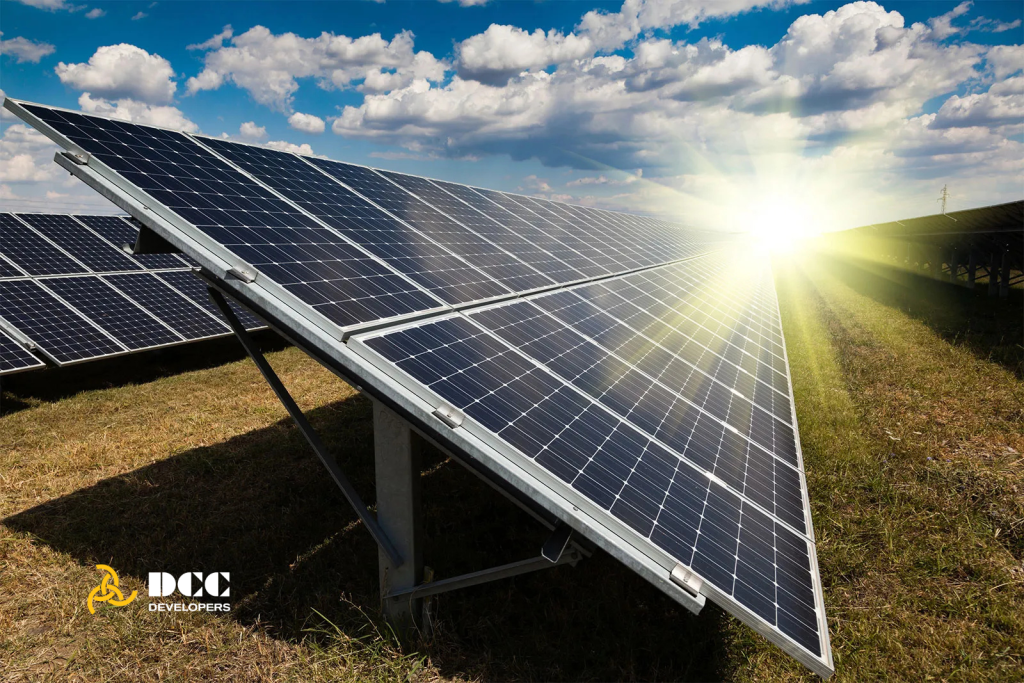
Among renewable technologies, Solar Energy Systems remain one of the most widely adopted. Falling installation costs and improved efficiency have made solar power increasingly accessible.
Many commercial and residential projects now integrate rooftop solar solutions to support Net-Zero Energy goals and reduce electricity costs.
Smart Energy Management
Buildings generate enormous amounts of operational data. Modern Building Automation Systems use this information to optimize energy consumption and improve performance.
Through intelligent controls, Smart Sensors, automated lighting, and HVAC optimization, building owners can achieve greater Operational Efficiency and lower utility costs.
Rainwater Harvesting Systems
Water scarcity continues to challenge many regions. Rainwater Harvesting systems capture and store rainwater for non-potable uses such as irrigation and cleaning.
These systems complement broader Sustainable Water Management strategies while reducing dependence on municipal water supplies.
Building Information Modeling (BIM)
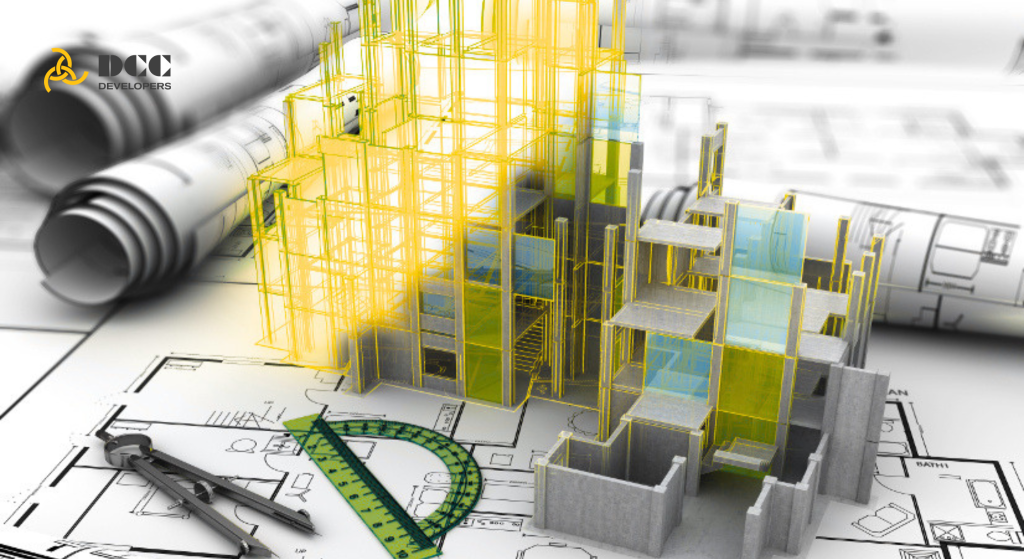
Modern project teams increasingly rely on Building Information Modeling (BIM) to improve collaboration, efficiency, and sustainability outcomes.
BIM enables Contractors, Real Estate Developers, Facility Managers, and design professionals to visualize projects digitally before construction begins. This approach supports Sustainable Project Planning, improves accuracy, and reduces costly errors.
DCC Developers and Sustainable Construction
As Pakistan moves toward more environmentally responsible development, DCC Developers is committed to supporting modern construction practices that prioritize sustainability, efficiency, and long-term value. By incorporating innovative design approaches, quality construction standards, and environmentally conscious planning, DCC Developers aims to create projects that meet the evolving needs of homeowners, investors, and communities. The company’s focus on responsible development aligns with the principles of Green Construction, helping contribute to a future where urban growth and environmental stewardship go hand in hand. Through thoughtful project execution and a commitment to excellence, DCC Developers continues to play a role in shaping sustainable real estate development in Pakistan.
Frequently Asked Questions
What is the meaning of green construction?
Green construction is the practice of designing, building, and operating structures in ways that reduce environmental impact, improve energy efficiency, and conserve natural resources.
What are the different types of green building materials?
Common green building materials include recycled steel, reclaimed wood, bamboo, low-carbon concrete, green cement, fly ash bricks, and other sustainable, eco-friendly materials.
What are green construction techniques?
Green construction techniques include passive design, rainwater harvesting, energy-efficient insulation, waste reduction, renewable energy integration, and sustainable material sourcing.
What are five types of green technology?
Five major types of green technology are solar energy systems, wind energy, rainwater harvesting systems, smart building technologies, energy-efficient lighting, and waste recycling systems.
What are the challenges of green building?
Green building challenges include higher upfront costs, limited availability of sustainable materials, skilled labor shortages, and meeting certification requirements.
What are the types of green infrastructure?
Green infrastructure includes green roofs, rooftop gardens, urban forests, rain gardens, permeable pavements, bioswales, and sustainable drainage systems.