
The Budget 2026-27 property relief measures in Pakistan have become one of the most discussed topics among investors, developers, and overseas buyers. Clarifying how these reforms will specifically impact local versus overseas investors can help stakeholders understand market accessibility and potential advantages for their investment strategies.
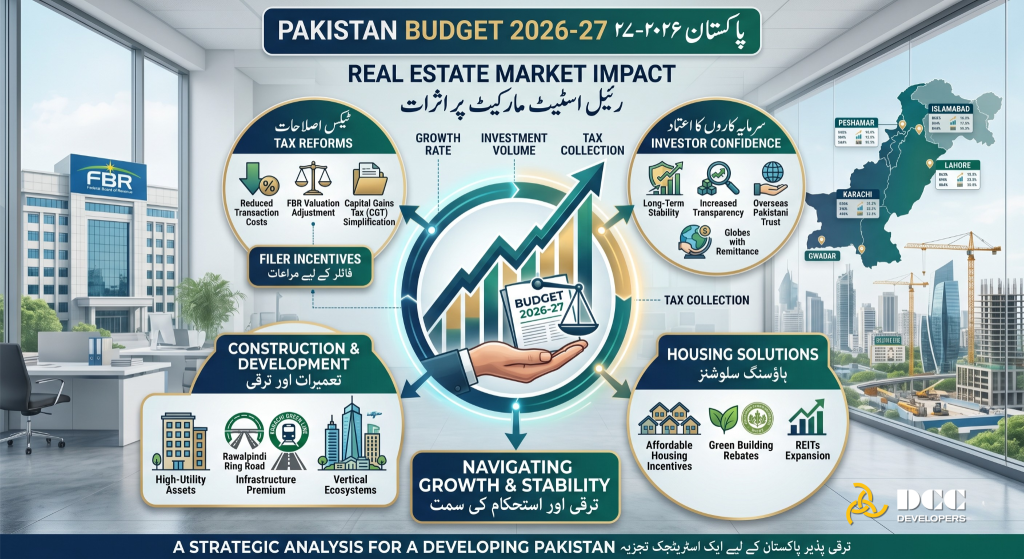
The Federal Budget 2026-27 introduces several changes that could inspire confidence among investors, developers, and overseas buyers, encouraging them to participate more actively in Pakistan’s property market. From lower taxes under Section 236C and Section 236K to the removal of Section 7E, these reforms aim to support the sector’s revival and foster a positive outlook for future growth.
Overview of Property Relief Announced in Budget 2026-27
The latest Budget 2026-27 property relief package for Pakistan focuses on reducing barriers that previously discouraged investment activity. Including details about the timeline and steps for implementing these changes will help investors and developers plan their transactions and compliance efforts more effectively.
The reforms matter because they address several long-standing concerns. However, discussing potential risks or limitations, such as market adjustments or transitional challenges, can help investors assess the stability and sustainability of these reforms in the long term.
Major Real Estate Tax Reforms Introduced in Budget 2026-27
The most important aspect of the Property tax reforms package involves lowering tax burdens associated with buying and selling real estate. The government aims to simplify the taxation system while promoting tax compliance and strengthening the documented economy. These reforms affect residential, commercial, and investment properties.
Another major change involves the removal of outdated tax provisions that created unnecessary costs for property owners. Combined with new incentives and streamlined procedures, these real estate budget reforms seek to improve market liquidity, increase transaction volumes, and support long-term economic expansion.
Section 236C Tax Relief for Property Sellers
The proposed reduction under Section 236C is one of the most significant measures announced under the Budget 2026-27 real estate sector reforms. Previously, sellers faced higher rates that increased the cost of transferring property and reduced overall profitability. Many investors delayed transactions because of these expenses.
The new framework lowers the property sale tax burden and allows sellers to retain more of their proceeds. This adjustment improves cash flow and supports commercial property investment as well as residential transactions. The Benefits of the Section 236C tax reduction could become a major driver of future market activity.
| Property Value | Previous Rate | Proposed Rate |
|---|---|---|
| PKR 1 Crore | 4.5% | 2.75% |
| PKR 2 Crore | 4.5%-5.5% | 2.75% |
| High-Value Assets | Up to 5.5% | 2.75% |
Section 236K Tax Reduction for Property Buyers
The reforms under Section 236K focus on reducing the cost of entering the market. Previously, the property purchase tax increased upfront expenses and made buying property in Pakistan less attractive for many investors. This was particularly challenging for first-time buyers and overseas investors.
The updated structure reduces acquisition costs and improves affordability. The Section 236K property tax changes explained within the new budget indicate a clear effort to encourage property ownership and stimulate fresh demand. Lower acquisition costs also strengthen the outlook for residential property investment across major cities.
Abolishment of Section 7E Tax and Its Impact on Property Owners
The removal of Section 7E is widely viewed as one of the most investor-friendly measures in the new budget. This provision imposed a deemed income tax on certain properties even when they generated no rental income. Many investors considered it unfair because it taxed unrealized earnings.
The Impact of Section 7E abolition on property owners could be substantial. Owners of vacant plots, inherited land, and long-term investments will face lower holding costs. This change encourages long-term investment strategies while supporting greater stability across the Pakistan property market in 2026.
Relief Measures for Active Tax Filers
The government’s focus on providing incentives for tax filers aims to make investors and property owners feel recognized and valued. Lower withholding tax rates and improved compliance benefits can motivate more stakeholders to participate in the documented economy, fostering a sense of inclusion and trust in the system.
The new measures improve returns on investment while reducing compliance-related expenses. This Property tax relief for tax filers in Pakistan is expected to encourage more investors to register and maintain proper documentation. Greater participation could strengthen revenue collection and improve overall market efficiency.
What Changes for Non-Filers in Budget 2026-27?
While filers receive significant benefits, non-filers may continue to face higher rates. The government intends to use taxation policy as a tool to encourage greater participation in the formal economy. This approach aligns with broader goals of strengthening the national tax base.
Higher costs for non-filers create a financial incentive to become compliant. The gap between filer and non-filer rates highlights the government’s commitment to tax administration, transparency, and improved accountability across the real estate sector.
How Budget 2026-27 Will Affect Property Prices in Pakistan
The Impact of Budget 2026-27 on real estate market dynamics will likely vary across regions. Lower taxes often increase demand because buyers can allocate more capital toward property purchases. Increased activity may support moderate price appreciation in key markets.
However, the reforms are unlikely to trigger an overnight boom. Instead, they may create a healthier environment characterized by improved market liquidity, stable property demand, and stronger investor participation. This balanced approach can contribute to sustainable growth rather than speculative spikes.
Impact of Budget Reforms on Real Estate Transactions
The latest Budget 2026-27 property relief measures in Pakistan reduce several friction points that previously slowed transactions. Lower taxes and simplified procedures make it easier for buyers and sellers to complete deals through legal channels. This promotes the increased use of documented processes.
As transaction barriers decline, experts expect real estate transactions to increase. More activity can improve property registration, accelerate land transfer processes, and support broader confidence throughout the real estate ecosystem.
Invest with DCC Developers?
Finding the right property is just as important as understanding the latest tax reforms. While the Budget 2026-27 property relief Pakistan measures create exciting opportunities, choosing a trusted real estate partner can make all the difference in maximizing your investment returns.
At DCC Developers, we help local and overseas investors identify high-potential residential and commercial projects across Pakistan. Our team stays ahead of market trends, regulatory changes, and investment opportunities so you can make informed decisions with confidence. Whether you are buying your first property, expanding your portfolio, or looking for long-term wealth creation, DCC Developers provides expert guidance every step of the way.
With a commitment to transparency, professional service, and client satisfaction, we help investors navigate Pakistan’s evolving real estate market and capitalize on opportunities created by the latest property tax reforms.
Frequently Asked Questions
What is the Budget 2026-27 property relief package for Pakistan?
The Budget 2026-27 property relief package for Pakistan includes lower property transaction taxes, the proposed abolition of Section 7E, and tax reforms designed to encourage investment and improve activity in the Pakistan real estate market.
How does Section 236C affect property sellers?
Section 236C applies to property sales. The proposed reforms reduce withholding tax rates, allowing sellers to keep more of their sale proceeds and improving overall market liquidity.
What changes are proposed under Section 236K?
Section 236K relates to property purchases. The new framework lowers acquisition taxes for buyers, making buying property in Pakistan more affordable and reducing upfront transaction costs.
Why is the removal of Section 7E important?
The abolition of Section 7E removes the deemed income tax on certain immovable properties. This reduces holding costs for landowners and long-term investors.
Will these reforms increase property transactions?
Lower taxes and improved policy clarity are expected to encourage more documented transactions, increase investor confidence, and support growth in the real estate sector.